
Neuroadaptive Systems
KINKINETICS
Keeping decisions steady under pressure.
Neuroadaptive Systems
Keeping decisions steady under pressure.
The problem
Up to a point, stress and time pressure make experts sharper — attention narrows, reactions quicken, and the best work often happens under load. The failure mode isn't pressure itself; it's crossing the point where more of it stops helping and quietly starts to cost you — right when the stakes are highest. That crossing is measurable, and it's where we intervene.
A degree of arousal improves performance — but only up to a peak, and that peak shifts with the person and the task. Push past it and thinking narrows too far, with speed bought at the cost of accuracy.
You usually feel fine right up until you don't. Physiology moves earlier — skin conductance climbs, heart-rate variability drops — so the crossover shows in the signal before it shows in what you do.
Once you've tipped over, realising it doesn't pull you back. What's missing is something that catches the shift as it happens and acts on it — while it still counts.
The technology
KinKinetics reads the body's stress signals, turns them into a live estimate of cognitive state, and steps in when it's needed — then learns from the result.
Skin conductance, heart rate and heart-rate variability — the autonomic signatures of stress and cognitive load — captured continuously from a lightweight wearable.
A signal-processing and machine-learning pipeline fuses those signals into a live state — Calm, Elevated or High — and is being extended to flag decision instability before it happens.
Today: real-time visual and haptic feedback tied to state. On the roadmap: gentle, non-invasive vagus-nerve stimulation that adapts to the state the system just measured.
What we measure
The shift in your autonomic state that signals you're moving past your effective range — tracked continuously against your own baseline, not a fixed threshold, because the same reading means different things for different people.
What we don't
We don't judge your decisions or tell you what's right. KinKinetics reads your physiology, not your choices — it helps you return to a steady state so your own judgement can do the work.
KinKinetics is an early-stage research prototype demonstrating concept feasibility. It is not a medical device and makes no diagnostic or therapeutic claims.
Why it's hard
The value isn't the sensors or the strap. It's the closed loop, the personalisation, and the data the system builds up over time — and none of those are quick to replicate.
Reading physiological state and driving the right response, moment to moment, is a genuine real-time control problem — and it's the core of what we build.
Stress signatures differ from person to person, so the system learns each user's own pattern instead of averaging everyone into a single threshold.
Every session deepens a multimodal record of physiology and response that keeps improving the models — an advantage that grows the more the system is used.
Where we are
A working prototype, non-dilutive backing, and research already presented on international stages.
A live sense → decide → respond loop: skin conductance and heart rate, an adaptive state classifier, real-time feedback, and a Python analytics engine.
Non-dilutive Idea Grant backing from the Kerala Startup Mission, funding prototype development.
Stress-detection pipelines validated against established public physiological datasets for scientific credibility.
Presented at GLEX 2025, the NASA Human Research Program community, and ELGRA — building credibility in the space-health domain.
Who it's for
The same closed-loop system serves each phase with different form factors and software tiers — research-grade work funds the evidence base that unlocks the markets after it.
Clinicians under sustained stress and neuroscience / human-factors labs — a research-grade stack with no medical-device blocker.
Resilience for roles where a degraded decision is costly — emergency services, aviation ops, and surgical training programmes.
Space missions, isolated and confined stations, and defence — autonomous support where crew cognition is mission-critical.
The science
KinKinetics sits at the intersection of neuroeconomics, autonomic physiology and space medicine — a founder-led research programme, not a repackaged consumer gadget.
How decisions destabilise under stress, uncertainty and time pressure.
HRV, electrodermal activity and vagal tone as readouts of cognitive load.
Non-invasive vagus nerve stimulation as a closed-loop intervention.
Cognitive stability and countermeasures for isolated, confined, extreme settings.
The founder
Founder · Researcher in neuroeconomics & decision science
KinKinetics is led by a researcher working at the intersection of behavioural science, neuroscience and high-stakes decision-making. In a field where scientific legitimacy earns customer trust, that is the unfair advantage: the person building the decision-stability wearable is the person who studies how decisions break under pressure.
Connect on LinkedIn →Insights
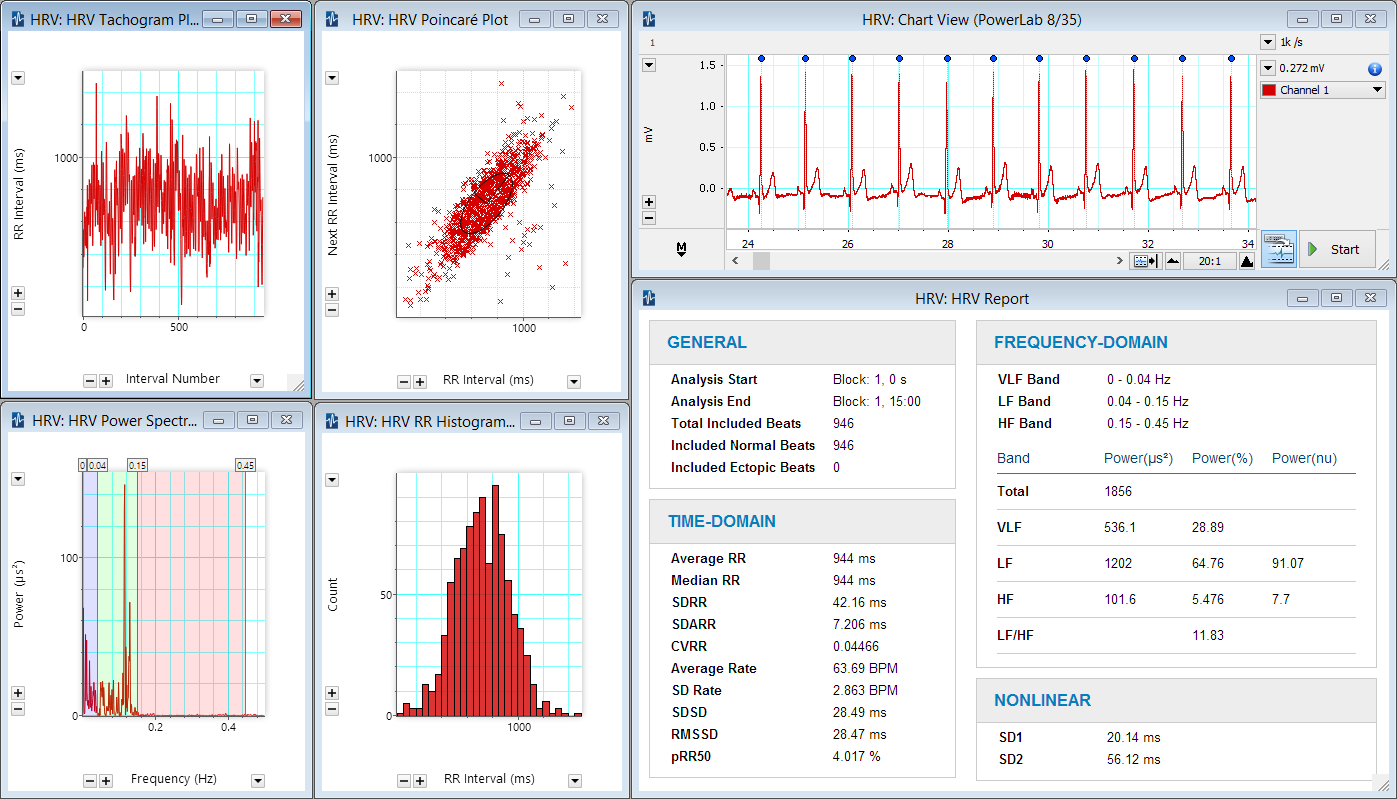
Machine-learning models that anticipate cognitive load before mission-critical decisions.
Read more →
Cognitive stability under stress, and how adaptive systems can protect it.
Read more →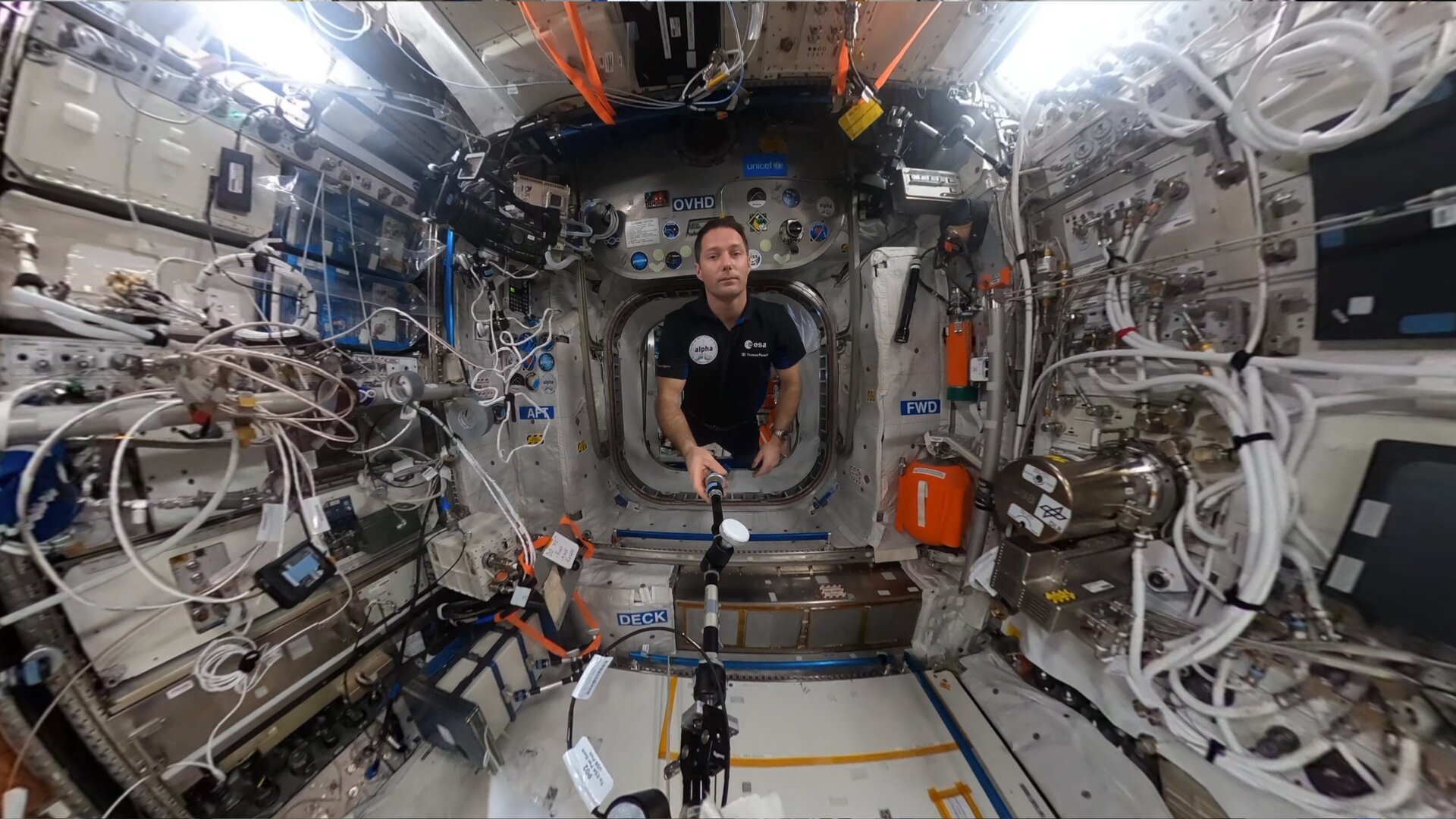
Neuroplasticity as a mission-critical skill for long-duration flight.
Read more →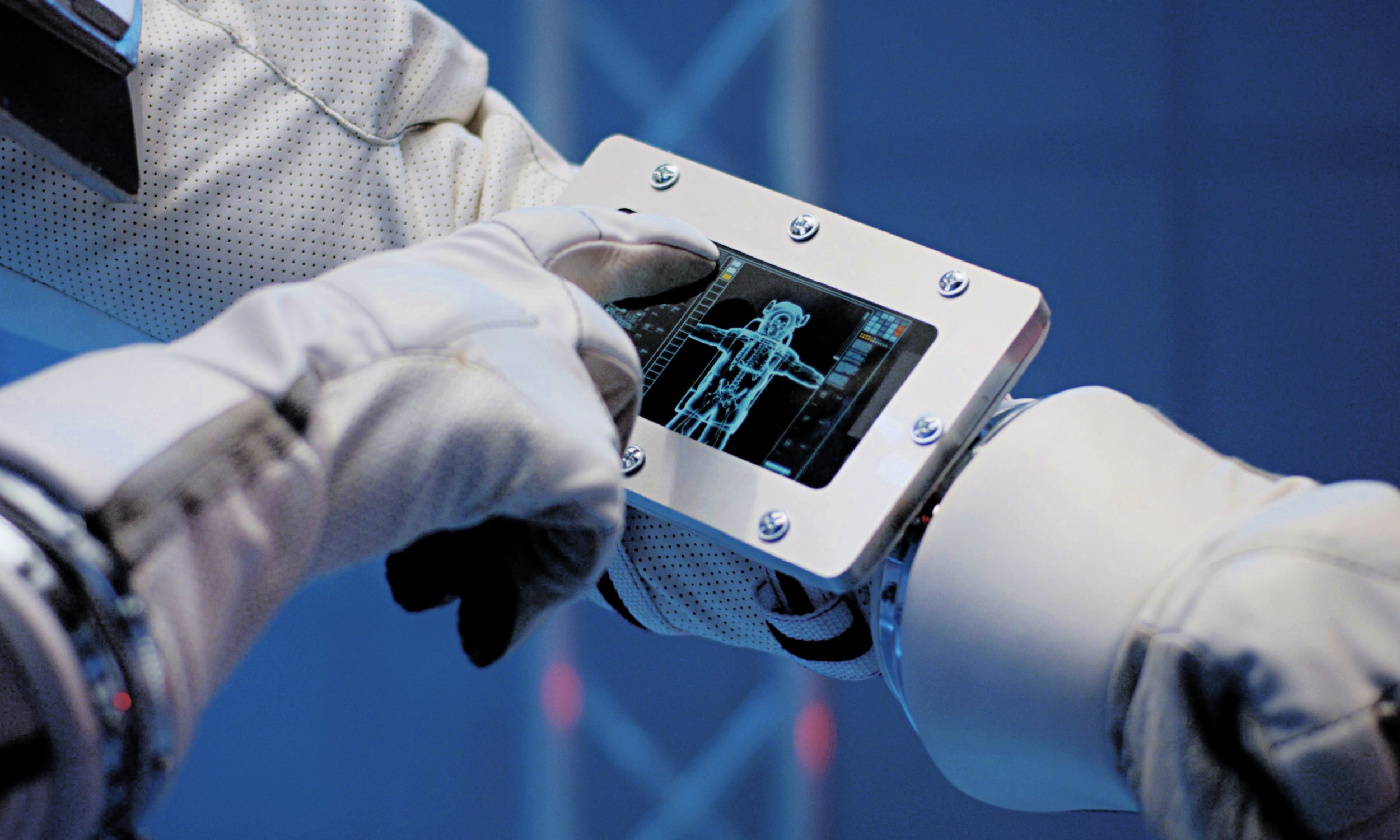
Advances in real-time physiological monitoring for astronaut health.
Read more →
Showcasing the neuroadaptive efficiency paradigm on a global stage.
Read more →
Advancing decision support for long-duration spaceflight.
Read more →We work with research labs, clinical teams and investors who want to help take this from prototype to something people can use. If that's you, get in touch.